

Impulse Buying
At checkout, you’ve already made your main purchase decision. Your brain relaxes its rational guard and mentally “finished shopping.”
This reduces self-control, making you more open to impulse buys like candy, gum, or magazines.
Psychologists call this “decision fatigue” — the more decisions you make, the less willpower you have left.
Small, Low-Risk Purchases
Items at checkout are low-cost and low-risk. You don’t have to think twice about a $2 chocolate bar or a pack of mints.
It feels like a harmless “reward” after shopping, and that small dopamine hit pushes you to complete the shopping mission.
Strategic Placement Checkout
Items are placed at eye level and within easy reach, and the checkout layout encourages last-second decisions.
It also exploits idle time — when you’re waiting in line with nothing else to do. This is called “point-of-sale marketing.”
Emotional Triggers
Checkout items are often comfort or convenience-based: snacks, batteries, lip balm, drinks.
They appeal to:
- Hunger (you’re tired from shopping)
- Stress relief (sugar = instant energy)
- Convenience (“I might need this later”)
Anchoring Effect
After spending a large amount, smaller prices feel insignificant. “I just spent $300… what’s another $5?” The contrast effect makes the small purchase feel justified.
Fun Fact: For Christopher Nolan buying Boeing - 747 is a "Impulse Buy"
He didn’t buy it for show or as a marketing stunt. After running the numbers, they found that using a real airplane was actually more efficient than CGI.
So what did he do?
He crashed it into the buildings in the name of art.
He’s already known for doing real stunts instead of relying on CGI. He even did it in his earlier movie The Dark Knight Rises, where the villains hijack a plane with another plane and drop it out of the sky.
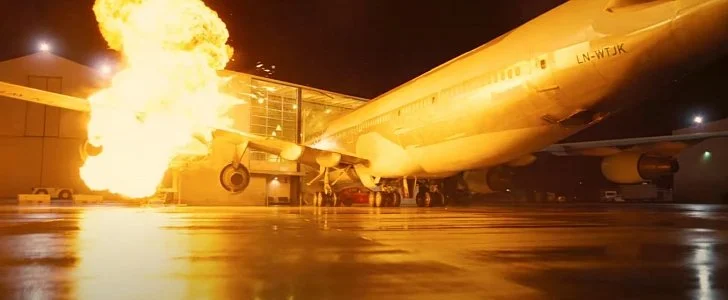
Credit: “Tenet” Warner Bros