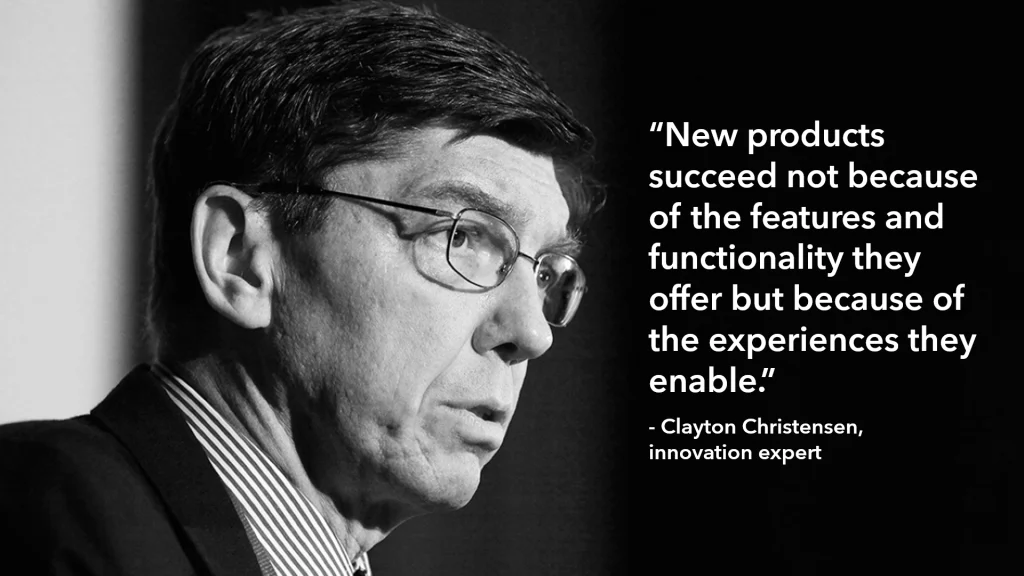

In a fast-paced world where everything is optimized for speed, a Dutch supermarket chain chose to go in the opposite direction—“to care for people who simply want to talk with others”.
Jumbo is a supermarket chain in the Netherlands that created a new checkout for elderly customers and for people who want to chat with cashiers during checkout.
They named it Kletskassa, which means “chat checkout” in English.
Jumbo has more than 700 supermarkets across the Netherlands and Belgium. Out of these, slow checkouts have been expanded to nearly 200 stores.
How did they come up with this idea?
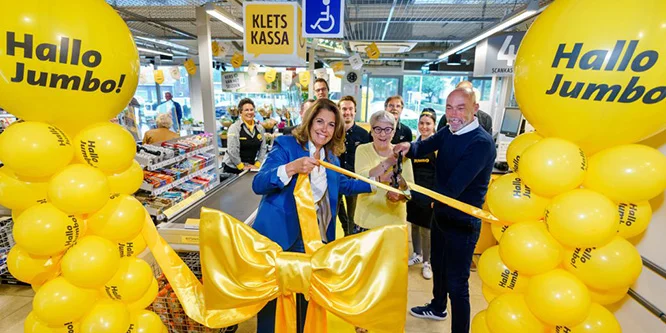
When the Dutch government launched a campaign against loneliness, Jumbo took the initiative seriously and rolled out its first chat checkout in the summer of 2019.
After the success of this program, they gradually expanded it to other stores in the Netherlands and Belgium. They didn’t stop there.
Jumbo also introduced chat corners which is managed by local foundations. After completing their slow checkout, customers can sit in these chat corners to have coffee and engage in small talk with fellow shoppers.
Volunteers can also help them with gardening or grocery shopping.
Slow as a Customer Experience:-
While big supermarket chains focus on frictionless shopping experiences—such as self-checkout and Amazon’s “Just Walk Out” system—Jumbo chose the slowest route to improve customer experience.
“Even cashiers are more interested in working at these checkouts to speak with elderly customers out of genuine respect,” said Colette Cloosterman-van Eerd, chair of the company’s supervisory board and a leader of the Dutch National Coalition Against Loneliness, who spearheaded the chat checkout initiative.
What about other supermarket chains?
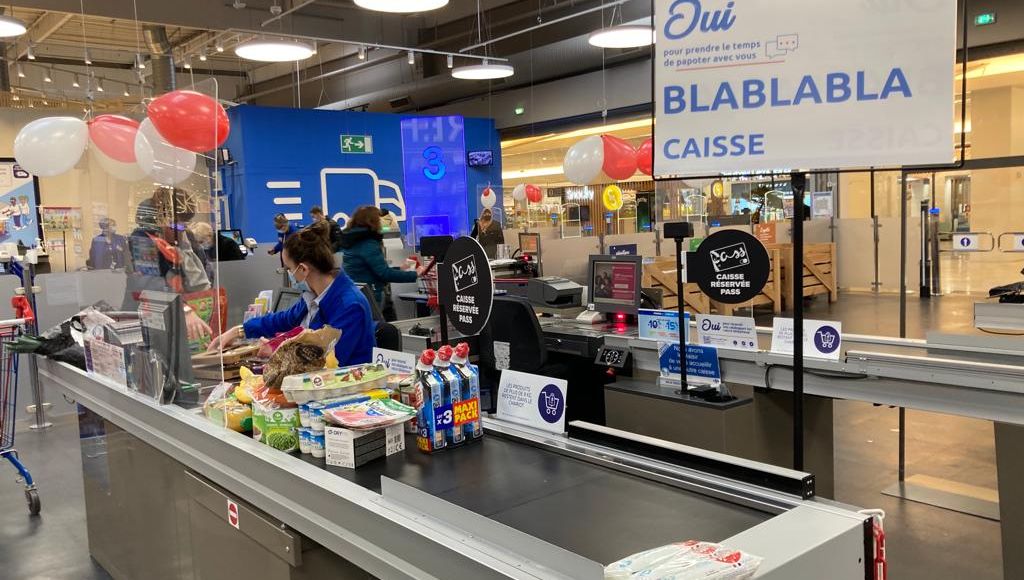
Carrefour in France adopted a similar concept called “BlaBlaBla Caisses” (BlaBlaBla Checkout).
In Canada, a supermarket chain named Sobeys introduced a slow checkout as well.
When customers start chatting with Rutledge, a cashier at Sobeys, a fifteen-second interaction can turn into a fifteen-minute conversation.
“I’ve had days when someone comes through and we talk about hockey,” Rutledge said. “The next person is a priest. So I wonder, what’s that like? How long have you been doing that?”
Opt for Great Experiences, Not Discounts:
Jumbo also planned to make aisle text more readable for elderly customers and added simple features such as magnifying glasses attached to shelves to improve their shopping experience.
What’s the great lesson from the story of Jumbo and Slow checkout:
Speed alone is not a prerequisite for a great and remarkable experience.
While efficiency is useful, there is often nothing meaningful in purely optimized systems.
Being slow for people who deeply value human connection can create the best customer experience of all.
They are not just telling people—they are bringing people to stores like this.
Supermarkets are usually known for announcing discounts and offers to attract customers.
But when they understand their customers’ real jobs-to-be-done—genuine human connection—they don’t need to rely on reducing profit margins.
Instead, they can focus on making customers’ lives easier by optimizing experiences around human needs and adding thoughtful features that truly delight them.